Blog
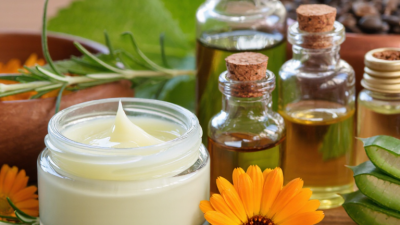
Why Are Cosmetic Botanical Extracts So Popular?
Cosmetic Botanical Extracts have become familiar ingredients in skincare, haircare, and personal-care products. Their appeal is easy to understand: a leaf, flower, or seed suggests a direct connection to nature. A few drops of calendula extract in a cream or green tea in a cleanser can also give a formula a distinctive story and feel. But the name alone tells us little. The plant species, extraction method, concentration, and finished formula all matter.
For product developers, botanical ingredients offer varied sensory and functional possibilities, from fragrant oils to water-based extracts rich in plant compounds. Their effects, however, depend on careful formulation and reliable testing. “Natural” does not automatically mean gentler, safer, or more effective. Even familiar plants may irritate some users, and evidence can differ between ingredients and products. That deserves attention.
This article explores why Cosmetic Botanical Extracts attract both brands and consumers, what they can contribute, and where expectations need a closer look. We’ll consider sourcing, formulation choices, product claims, and the limits of what an ingredient can promise. A pleasant texture matters. So does evidence. The topic is not entirely simple: plant materials can vary with harvest and processing, and labels rarely explain every detail. Understanding those trade-offs helps readers assess botanical products with curiosity rather than assuming that nature alone guarantees results.
Read more »
 By:Sophie
- October 30, 2026

7 Best Nutra Plant Complex II Suppliers Worldwide?
Nutra Plant Complex II is entering a crowded global nutraceutical market. Suppliers now compete on traceability, formulation quality, testing, and reliable delivery. Grand View Research valued the global dietary supplements market at approximately USD 177.5 billion in 2023. Its report also projects strong growth through 2030. Plant-based ingredients are helping drive that expansion.
However, market growth does not prove product quality. Dr. Pieter Cohen, a Harvard Medical School physician-researcher, has warned, “Supplements are not tested for safety or effectiveness before they reach the market.” That warning deserves attention. It applies especially to complex botanical formulas with multiple extracts, carriers, and processing steps.
This guide examines seven Nutra Plant Complex II suppliers worldwide. The comparison considers GMP certification, botanical identification, contaminant screening, batch consistency, documentation, and export experience. Suppliers with clear certificates of analysis should receive stronger consideration. Heavy-metal, pesticide, microbiological, and allergen testing also matter.
Some manufacturers describe their products with impressive technical language. That is not enough. Buyers should ask for lot-specific evidence, not attractive brochures. They should also verify whether claims match the intended market’s regulatory requirements. A supplier may perform well in one region and remain unsuitable elsewhere.
The ranking is not perfectly objective. Pricing, minimum order quantities, and private-label flexibility can change quickly. Still, these practical checks create a more dependable starting point for sourcing Nutra Plant Complex II. Quality is visible in the details, including the small print on a laboratory report.
Read more »
By:Sophie
- October 25, 2026

2026 Top Kava-6 Suppliers for Global Buyers?
In 2026, global buyers need more than a long supplier list when evaluating Kava-6 producers. They need evidence, consistency, and responsible sourcing. Kava-6 quality can vary between farms, cultivars, harvest seasons, and processing facilities. A bright label does not prove reliability. Testing does.
Dr. Vincent Lebot, a widely recognized kava researcher, has emphasized, “Kava quality begins with the right plant material, careful preparation, and transparent handling.” His view remains practical for international procurement teams. Strong suppliers should identify the plant variety, growing region, plant part, extraction method, and batch number. They should also provide current certificates of analysis. These may include identity testing, microbiological screening, heavy-metal analysis, and confirmation of kavalactone content.
The best candidates usually show traceable farm relationships. Their documentation should connect a sealed product pouch with a specific production batch. Buyers should also review packaging controls, storage conditions, shelf-life data, and export experience. A clean warehouse matters. So does a responsive quality manager.
This guide examines leading Kava-6 suppliers through a cautious commercial lens. It considers product consistency, documentation, manufacturing capability, communication, and compliance with destination-market requirements. Supplier rankings can change. Data may be incomplete. That weakness deserves attention.
Responsible sourcing also protects traditional growers and local communities. Buyers should avoid exaggerated health claims and unclear product descriptions. They should confirm that every Kava-6 product is permitted in the intended market. No supplier should be selected on price alone. Reliability is built batch by batch.
Read more »
 By:Ethan
- October 15, 2026

How to Find Reliable Suprapein Suppliers Worldwide?
Finding reliable Suprapein suppliers worldwide requires more than comparing online prices. It demands careful verification, technical knowledge, and patience. A professional buyer should confirm the supplier’s legal business identity, manufacturing location, quality systems, and export experience. Website images are not proof. Neither are polished brochures.
Dr. Amelia Hart, a pharmaceutical supply-chain consultant, states, “Trust begins with traceability, not promises.” Her advice reflects a practical reality. Reliable suppliers should provide clear product specifications, batch records, certificates of analysis, and documented quality controls. Ask whether testing comes from an independent laboratory. Check whether the reported methods match the product’s intended application. Also review packaging details, storage conditions, shelf life, and shipping temperature requirements. One missing document can create serious uncertainty.
This guide explains how to compare Suprapein suppliers across regions without relying on vague claims. It considers supplier audits, sample evaluation, communication quality, payment safeguards, and regulatory responsibilities. Buyers should request references from verifiable business customers, not anonymous testimonials. They should also confirm that every transaction follows applicable local and international laws. A low quote may hide weak testing or poor logistics. Sometimes, the cheapest option becomes the most expensive mistake.
There is no perfect checklist. Human judgment still matters. Supplier information can change, and records may contain small inconsistencies. Those details deserve questions, not excuses. By combining documented evidence with cautious communication, buyers can reduce risk and build more dependable sourcing relationships. That approach may feel slower. It is usually wiser.
Read more »
By:Sophie
- October 10, 2026

China Top 10 Puresterol Manufacturers for Global Buyers
Puresterol is attracting global attention as buyers seek consistent plant sterol ingredients for food, nutrition, and wellness applications. Yet choosing a manufacturer requires more than comparing prices or reading a polished product brochure.
This guide examines ten Puresterol manufacturers serving international buyers. It considers manufacturing capacity, raw material sourcing, extraction technology, purity data, testing systems, packaging, and export experience. Certificates matter. So does traceability. A dependable supplier should provide recent certificates of analysis, clear specifications, contaminant testing, and practical answers about batch variation. Dr. Peter J. Jones, a recognized researcher in nutrition and plant sterols, has emphasized, “A credible ingredient begins with transparent evidence, not impressive marketing.” That principle remains useful when evaluating every company on this list.
The ranking is not absolute. Public information is incomplete, and buyer priorities differ across markets. One manufacturer may offer stronger technical support, while another may provide better scale or shorter lead times. That deserves attention. Global buyers should still verify current certifications, regulatory suitability, minimum order quantities, and delivery records directly with each supplier. Product names can also create confusion. Puresterol may refer to different formulations, purity levels, or commercial specifications. Careful comparison is essential.
This overview aims to support informed sourcing decisions. It does not replace supplier audits, laboratory confirmation, or local regulatory review. Some details may change over time. Good procurement leaves room for doubt.
Read more »
By:Ethan
- October 5, 2026

How to Source Bio-Saponins in 2026?
How to Source Bio-Saponins in 2026? The question now reaches beyond price and availability. Buyers must verify botanical identity, cultivation records, extraction conditions, and contaminant controls. Bio-Saponins may come from quinoa, tea, licorice, ginseng, or soapbark. Each source behaves differently in foaming, emulsification, taste, and biological testing.
The global botanical extracts market continues to expand, according to Grand View Research and Fortune Business Insights. Their reports identify clean-label ingredients, plant-based formulations, and natural functional additives as major growth drivers. However, market estimates differ because companies classify saponin-rich materials inconsistently. That gap deserves attention. A supplier may advertise “high purity” without stating the analytical method or saponin profile.
Jan-Peter Vincken, a recognized saponin researcher, described saponins as “a diverse group of secondary metabolites occurring in many plant species.” This observation remains practical for sourcing. Diversity creates opportunity, but it also complicates comparison. A 98% extract from one plant may not match a 70% extract from another. Buyers should request HPLC or LC-MS data, batch-specific certificates, residual-solvent results, heavy-metal testing, microbiological limits, and traceability documents. Independent verification is valuable.
The label alone is insufficient.
Reliable sourcing also requires checking seasonal supply, farmer practices, extraction water quality, and storage temperature. Reports from the FAO and European Food Safety Authority support stronger attention to agricultural traceability and safety assessment. Still, documentation can be incomplete. That is where professional judgment matters. This guide examines practical supplier screening, technical specifications, responsible procurement, and the evidence needed before approving Bio-Saponins for commercial use.
Read more »
 By:Lila
- September 30, 2026

What Are Alcohol Free Mushroom Extracts?
Alcohol-Free Mushroom Extracts are concentrated mushroom preparations made without ethanol as a solvent or finished ingredient. They may be produced using hot water, glycerin, or other methods, depending on the mushroom and manufacturer. The process matters: water can extract some compounds, while different methods may capture different parts of the mushroom. So “alcohol-free” describes one feature, not a guarantee of strength, purity, or effectiveness. The label alone is not enough.
Industry interest is growing. Grand View Research’s 2024 functional mushroom market analysis estimated the global market at about US$31.7 billion in 2023 and projected further growth through 2030. This is a commercial market estimate, not proof that any extract delivers a health benefit. That distinction matters. For shoppers, useful details include the species, the part used, the extraction method, and the amount per serving. A clear certificate of analysis can also help confirm identity and screen for contaminants. Yet testing practices and label detail vary, and that deserves more attention. A bottle may look simple on a kitchen shelf, but its contents depend on sourcing and processing. In this guide, we explain what alcohol-free extracts are, how common methods differ, and which questions to ask before buying. No extract should be treated as a substitute for professional medical advice.
Read more »
By:Ethan
- September 25, 2026

China Top Cold Extracted Botanical Ingredients Manufacturers
China has become a significant sourcing base for Cold-Extracted Botanical Ingredients. Its advantages include diverse plant resources, mature processing capacity, and growing investment in quality systems. These strengths support applications in cosmetics, food, beverages, and wellness products.
Market evidence shows sustained global demand. Grand View Research’s 2024 Botanical Extracts Market report identifies expanding use in personal care, nutrition, and functional foods through 2030. Mordor Intelligence also reports rising demand for plant-based ingredients, supported by clean-label preferences and ingredient transparency. However, market estimates differ because research firms define “botanical extracts” differently. That detail deserves attention.
Cold extraction can help protect heat-sensitive compounds, natural color, and delicate aroma. Yet the method alone does not prove superior quality. Supplier evaluation should include botanical identification, extraction parameters, pesticide screening, heavy-metal testing, microbiological results, and batch-level certificates of analysis. Reliable manufacturers should also demonstrate traceability from farm or collection site to sealed drum.
China’s leading manufacturers increasingly provide standardized extracts, customized specifications, and documentation for international buyers. Strong suppliers commonly operate under GMP-based procedures and relevant ISO quality systems. Buyers should verify certifications directly, rather than relying only on marketing claims.
Small details matter.
A clean production room, stable powder flow, and clear lot coding often reveal operational discipline. Experience also shows that communication speed can affect project success as much as laboratory performance. This introduction examines China’s leading manufacturers through sourcing capability, extraction expertise, quality assurance, documentation, and export reliability. It also recognizes a practical limitation: no supplier is ideal for every botanical, market, or formulation.
Read more »
By:Sophie
- September 20, 2026

Why Choose Bio-Chelated Botanical Extracts for Your Business?
In today's rapidly evolving market, businesses are increasingly turning to innovative solutions to enhance their product offerings. One such solution is Bio-Chelated Botanical Extracts. According to a report by Grand View Research, the global botanical extracts market is expected to reach $8.6 billion by 2025, driven by rising consumer interest in natural and organic products. As businesses strive to align with these trends, the importance of incorporating bio-chelation becomes paramount.
Dr. Emily Chen, a renowned expert in botanical extract applications, emphasizes the significance of these extracts in an industry shift toward sustainability. She states, "Bio-Chelated Botanical Extracts not only enhance bioavailability but also promote environmental stewardship." This statement highlights the dual benefits of using bio-chelation technology—a method that improves nutrient absorption while maintaining eco-friendly practices.
Yet, barriers remain. Many companies struggle with sourcing high-quality, reliable extracts. It often leads to inconsistency in product efficacy. Balancing cost and quality is a persistent challenge. Businesses must reflect on their sourcing strategies and invest in trustworthy suppliers to fully leverage the advantages of Bio-Chelated Botanical Extracts.
Read more »
By:Ethan
- August 19, 2026

Top Tips for Choosing Reliable Botanical Extract Manufacturing?
Choosing reliable Botanical Extract Manufacturing is crucial in today’s market. Many businesses rely on these extracts for health and wellness products. Industry expert Dr. Emily Carter, a well-respected botanist, states, "Quality in botanical extracts is non-negotiable for efficacy." Her insight underscores the importance of selecting trustworthy manufacturers.
When navigating the Botanical Extract Manufacturing landscape, consider quality assurance and sourcing practices. Look for manufacturers that implement rigorous testing methods. Transparency in sourcing is vital. Ensure they use sustainably sourced plants, as this impacts both quality and environmental responsibility.
Additionally, evaluate the manufacturer’s credentials and industry experience. A trusted company will have a proven track record and positive client feedback. However, not every manufacturer meets these standards. Some may prioritize profit over quality. Conduct thorough research to avoid potential pitfalls in the Botanical Extract Manufacturing process. Your choice can significantly affect product performance and business reputation.
Read more »
By:Sophie
- August 19, 2026

How to Choose the Best Contract Development and Manufacturing Partner?
Choosing the right Contract Development and Manufacturing (CDMO) partner is crucial for any business in the life sciences field. This decision impacts product quality, speed to market, and ultimately, profitability. Many companies experience challenges during this selection process. They often weigh criteria such as cost, expertise, and technology. However, focusing solely on these aspects can lead to oversight.
A reliable CDMO partner should possess not only technical skills but also a deep understanding of regulatory requirements. They should demonstrate a proven track record in your specific area of development. Companies may struggle to evaluate this thoroughly. It is essential to seek partners who communicate openly and are transparent about their processes.
Experience with innovative technologies and flexible service offerings is invaluable. It can be tempting to prioritize financial considerations over long-term relationships. Yet, this mindset can lead to significant risks. Reflecting on past collaborations can reveal both strengths and weaknesses. Understanding these dynamics can guide in making an informed choice.
Read more »
By:Ethan
- August 19, 2026