0%

Choosing reliable Botanical Extract Manufacturing is crucial in today’s market. Many businesses rely on these extracts for health and wellness products. Industry expert Dr. Emily Carter, a well-respected botanist, states, "Quality in botanical extracts is non-negotiable for efficacy." Her insight underscores the importance of selecting trustworthy manufacturers.

When navigating the Botanical Extract Manufacturing landscape, consider quality assurance and sourcing practices. Look for manufacturers that implement rigorous testing methods. Transparency in sourcing is vital. Ensure they use sustainably sourced plants, as this impacts both quality and environmental responsibility.

Additionally, evaluate the manufacturer’s credentials and industry experience. A trusted company will have a proven track record and positive client feedback. However, not every manufacturer meets these standards. Some may prioritize profit over quality. Conduct thorough research to avoid potential pitfalls in the Botanical Extract Manufacturing process. Your choice can significantly affect product performance and business reputation.
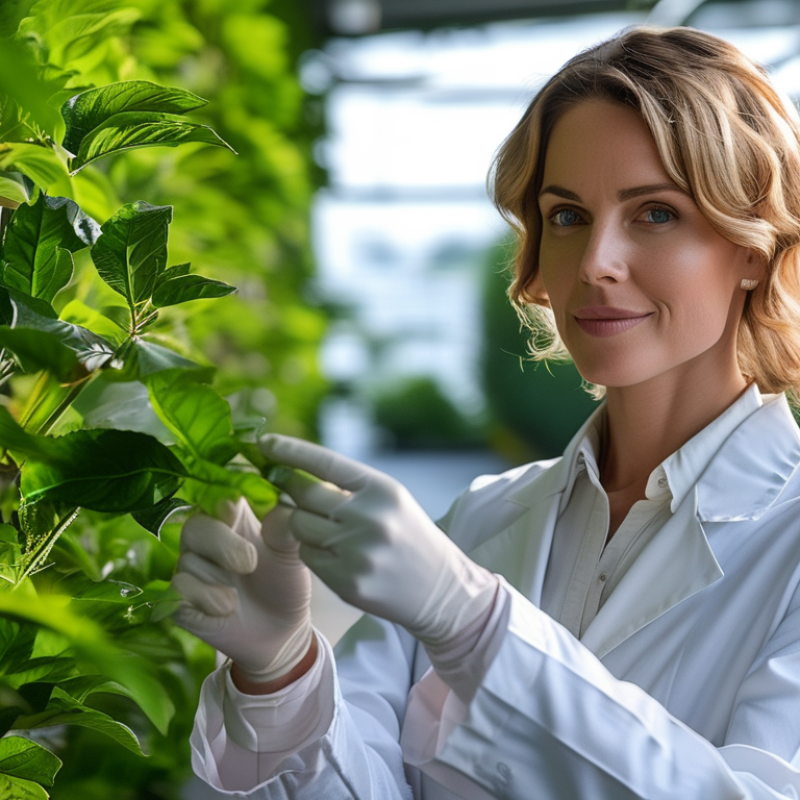
Top Tips for Choosing Reliable Botanical Extract Manufacturing?

Understanding Botanical Extract Manufacturing: Key Industry Insights

Botanical extract manufacturing is a complex process, vital for industries like cosmetics and supplements. According to a Market Research Future report, the global botanical extracts market is projected to exceed $50 billion by 2025, driven by consumer demand for natural products. As awareness grows, manufacturers must ensure quality and safety. Processing methods, extraction techniques, and raw material sourcing are critical factors that influence product integrity.

Investments in advanced extraction technology are essential for reliable results. For example, cold pressing and supercritical CO2 extraction are known for preserving the active compounds in plants. Companies that prioritize transparent sourcing practices often see better trust from clients. However, the variability in plant sources can lead to inconsistent quality. An industry's reliance on suppliers with poor quality controls raises concerns about the final product's efficacy.

Understanding the raw materials is crucial. A 2022 report by the International Journal of Food Science highlighted that plants grown in different regions can yield varying concentrations of active compounds. Evaluating supplier certifications and testing protocols plays a significant role in ensuring product reliability. Companies must also remain informed of regulatory changes affecting botanical extracts. The regulatory landscape can be complex, as compliance varies from region to region. This uncertainty poses challenges for manufacturers striving to maintain quality products.

Evaluating Quality Standards and Certifications for Extract Suppliers

When evaluating botanical extract suppliers, quality standards are paramount. Start by investigating their certifications. Certifications like ISO, GMP, and organic are essential indicators of reliability. These standards ensure that the extracts are processed in clean environments and meet safety requirements. If a supplier lacks these certifications, it raises questions about their commitment to quality.

Additionally, examine the testing practices employed by the supplier. Third-party testing is a strong indicator of transparency. Know what tests are conducted to verify the potency and purity of the extracts. Suppliers should be willing to share these results. A lack of testing may suggest potential issues.

Transparency in sourcing is equally important. Suppliers should provide clear information about the origin of their botanicals. Understand their supply chain. This can reveal how sustainability is managed. Sustainable practices minimize environmental impact. A reliable supplier will prioritize ethical sourcing. If a supplier is vague about these points, proceed with caution. Trust is built on clear communication and documented evidence.

Analyzing the Importance of Sustainable Sourcing Practices

Sustainable sourcing in botanical extract manufacturing is crucial for both environmental health and product quality. Many consumers prefer products that promote ecological balance. A recent report from the Global Sustainability Institute noted that companies utilizing sustainable practices see a 40% increase in consumer trust. This trust translates into persistent customer loyalty, a key factor in today’s competitive market.

When selecting a manufacturer, examine their sourcing practices closely. Are they transparent about where they source their botanicals? Are they certified by recognized sustainability standards? Many industries are now shifting toward suppliers who prioritize ethical sourcing. According to the Institute of Supply Management, 75% of companies reported a commitment to responsible sourcing over the past five years. However, not all manufacturers adhere to these practices. It is essential to investigate and avoid those that present vague or misleading information.

Moreover, sustainability extends beyond ethics; it also impacts product efficacy. Studies show that plants sourced through sustainable practices often maintain higher levels of active compounds. This can enhance the effectiveness of botanical extracts. However, there are inconsistencies in supply chains that can lead to unverified claims. As consumers become more educated, the pressure will mount on manufacturers to validate their sourcing practices. Transparency and reliability become paramount in these discussions.

Cost Considerations: Balancing Quality and Affordability in Extracts

When considering botanical extracts, cost can greatly influence your choice. Manufacturers often provide a range of pricing options. However, the cheapest option might not ensure the best quality. Seeking a balance between affordability and quality is essential. You must assess the sourcing of the botanicals used. High-quality ingredients often come at a premium price but are worth the investment for potency.

Testing and certification are crucial in this industry. A manufacturer should offer evidence of third-party testing to ensure their extract's safety and efficacy. Consider the extraction methods used. Traditional methods often yield superior results, though they may be more expensive.

Understand your specific needs and budget constraints. Not every product needs to be top-tier, but compromising too much can lead to disappointing outcomes. Finding the right supplier takes time and research. Engage with potential manufacturers and ask their quality assurance practices. This approach allows you to evaluate whether they can meet both your quality and budgetary needs effectively.

Assessing Supplier Reputation: The Impact of Reviews and Case Studies

When selecting a botanical extract manufacturer, assessing their reputation is crucial. Supplier reviews and case studies offer valuable insights. They reflect past performance and customer satisfaction. Look for manufacturers with a consistent positive track record. This impacts your product quality and brand credibility. Past client experiences can highlight strengths and weaknesses.

Additionally, exploring case studies allows you to see real-world applications. Ask for documented successes that showcase how the extracts performed. This can give you confidence in their capability. However, be mindful of overly positive reviews. They can sometimes be misleading. A balanced view can help you make an informed decision.

Consider these tips. Check for third-party verification of claims. Read diverse reviews, including critical ones. Engage in discussions with previous clients if possible. Their feedback can be telling and helps uncover hidden issues. Making a well-informed choice can lead to long-lasting partnerships and enhanced product integrity.

Top Tips for Choosing Reliable Botanical Extract Manufacturing

FAQS

: What factors influence the quality of botanical extracts?

: Processing methods, extraction techniques, and the sourcing of raw materials are critical to product integrity.

Why is sourcing transparency important?

Clear information about origin builds trust and highlights sustainability practices of suppliers.

What role do certifications play in supplier reliability?

Certifications like ISO and GMP indicate that the extracts meet safety and quality standards.

How do environmental practices affect consumer trust?

Sustainable sourcing can lead to a 40% increase in consumer trust and long-term loyalty.

What kind of testing should suppliers conduct?

Suppliers should perform third-party testing to verify potency and purity of their extracts.

How does plant origin affect botanical extracts?

Plants grown in different regions can yield varying concentrations of active compounds.

What challenges exist in maintaining consistent extract quality?

Variability in plant sources and poor supplier controls can lead to inconsistent product quality.

Why is investment in extraction technology crucial?

Advanced extraction technology helps preserve active compounds, ensuring better product reliability.

What should companies do regarding regulatory changes?

They must stay informed about changing regulations that affect botanical extract quality.

How do consumers influence sourcing practices?

Educated consumers pressure manufacturers to validate and be transparent about their sourcing methods.

Conclusion

When it comes to Botanical Extract Manufacturing, selecting a reliable supplier is crucial for ensuring high-quality products. Understanding the manufacturing process and the key insights of the industry can provide a solid foundation for decision-making. Evaluating quality standards and certifications is essential, as they serve as benchmarks for the credibility and reliability of extract suppliers.

Sustainable sourcing practices play a vital role in the industry, emphasizing the importance of environmental responsibility and ethical production. While considering cost, it's important to balance quality and affordability to achieve the best value. Additionally, assessing supplier reputation through reviews and case studies can provide insight into their past performance and customer satisfaction, ultimately guiding businesses toward informed choices in botanical extract manufacturing.

Sophie

Sophie

Sophie is a dedicated and skilled marketing professional with a deep expertise in the company’s core products and services. With a passion for excellence, she plays a pivotal role in updating the company's professional blog, where she shares insightful articles that highlight not only the benefits......