0%

Cosmetic Botanical Extracts have become familiar ingredients in skincare, haircare, and personal-care products. Their appeal is easy to understand: a leaf, flower, or seed suggests a direct connection to nature. A few drops of calendula extract in a cream or green tea in a cleanser can also give a formula a distinctive story and feel. But the name alone tells us little. The plant species, extraction method, concentration, and finished formula all matter.

For product developers, botanical ingredients offer varied sensory and functional possibilities, from fragrant oils to water-based extracts rich in plant compounds. Their effects, however, depend on careful formulation and reliable testing. “Natural” does not automatically mean gentler, safer, or more effective. Even familiar plants may irritate some users, and evidence can differ between ingredients and products. That deserves attention.

This article explores why Cosmetic Botanical Extracts attract both brands and consumers, what they can contribute, and where expectations need a closer look. We’ll consider sourcing, formulation choices, product claims, and the limits of what an ingredient can promise. A pleasant texture matters. So does evidence. The topic is not entirely simple: plant materials can vary with harvest and processing, and labels rarely explain every detail. Understanding those trade-offs helps readers assess botanical products with curiosity rather than assuming that nature alone guarantees results.
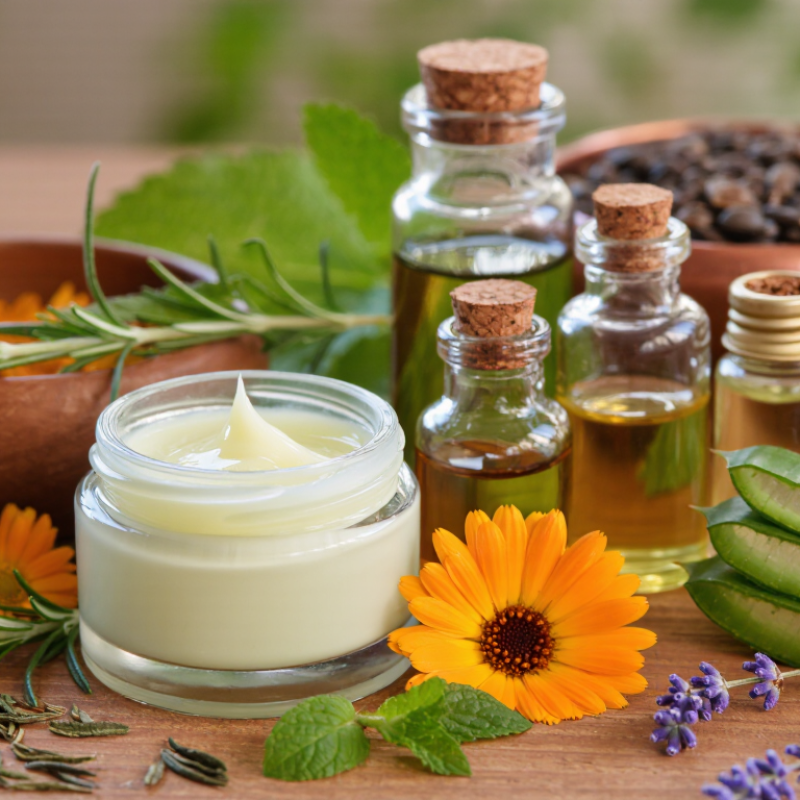
Why Are Cosmetic Botanical Extracts So Popular?

What Are Cosmetic Botanical Extracts?

Cosmetic botanical extracts are ingredients obtained from plants, including leaves, flowers, roots, seeds, bark, and fruit. Manufacturers use solvents such as water, glycerin, or oils to draw out selected plant constituents. The result is usually a mixture, not a single purified substance. That distinction matters.

An extract’s composition can vary with the plant species, growing conditions, harvested part, and extraction method. For example, a water-based leaf extract may differ from an oil-based one made from the same plant. In a cosmetic formula, extracts may help condition skin or provide antioxidant properties, but effects depend on the specific constituents, concentration, and finished product. “Natural” does not automatically mean gentle or effective.

Formulators also consider how an extract behaves in a product. Light, heat, air, and other ingredients can affect its stability, color, or scent. A botanical ingredient listed on a label tells only part of the story; it does not reveal its full concentration or performance. Some plant-derived ingredients may irritate sensitive skin. Not a magic fix. Reviewing product information and trying a small amount first can help people assess personal tolerance, though reactions can still occur.

How Are Botanical Extracts Made and Used in Cosmetics?

Botanical extracts begin with carefully identified plant material, such as green tea leaves, calendula flowers, or oat kernels. Manufacturers dry, mill, and extract the material using water, ethanol, glycerin, or oils. Steam distillation can capture aromatic compounds; pressing can recover oils from seeds or peels. The solvent, temperature, and extraction time affect which compounds remain. The liquid is then filtered and may be concentrated, tested, and standardized for selected markers. Small changes matter.

In finished cosmetics, extracts appear in cleansers, creams, masks, and scalp products. A water-based green tea extract may suit a lightweight gel, while an oil-soluble plant extract can blend into a balm. Formulators also check color, odor, compatibility, and microbial stability. An extract is not automatically gentle or effective. Plant species, growing conditions, processing, and dose all influence its composition. “Natural” is not a safety test.

Market interest is substantial, though the figures need context. Grand View Research estimated the global botanical extracts market at USD 6.8 billion in 2023, with an 8.2% projected compound annual growth rate from 2024 to 2030. That category covers uses beyond cosmetics, so it is not a measure of beauty-product demand alone. Botanical ingredients can add useful compounds and appealing textures, but their variability makes sourcing records and finished-product testing essential. A plant story can be persuasive; evidence still has to carry the formula.

Why Are Cosmetic Botanical Extracts So Popular? - How Are Botanical Extracts Made and Used in Cosmetics?

Botanical source Common extraction approach Typical cosmetic uses Why formulators use it Formulation considerations
Aloe vera leaf The inner leaf gel is separated and filtered; water-based processing is commonly used. Moisturizers, gels, after-sun products, and soothing skin-care formulas. Its water-rich gel can contribute to a light, hydrating feel. The ingredient’s composition depends on processing and preservation; the finished product still needs suitable microbial control.
Green tea leaves Water or water-and-ethanol extraction can recover water-soluble tea compounds, including polyphenols. Serums, creams, toners, and other antioxidant-positioned skin-care products. Tea polyphenols are studied for antioxidant activity, making the extract useful in formulations designed to help protect against oxidative stress. Polyphenols may be sensitive to oxygen, light, and heat, so extract quality, packaging, and storage matter.
Chamomile flowers Water or hydroalcoholic extraction is used for some extracts; steam distillation produces a distinct aromatic essential oil. Skin-care creams, cleansers, and products formulated for sensitive-feeling skin. Chamomile-derived ingredients are valued for their traditional soothing associations and their use in gentle-feeling formulas. Extract and essential oil are not interchangeable. People sensitive to plants in the Asteraceae family may react to chamomile ingredients.
Calendula flowers Flowers may be extracted with water, water-and-ethanol mixtures, or oil, depending on the target compounds and product format. Balms, creams, lotions, and cleansing products. It offers a plant-derived ingredient option for formulas marketed around skin comfort and care. The extraction solvent affects which constituents are present. Botanical origin alone does not guarantee a particular effect or suitability for every user.
Rosemary leaves Water or solvent extraction can produce leaf extracts; steam distillation is used to obtain rosemary essential oil. Hair and scalp products, skin-care formulas, and some products where an aromatic ingredient is desired. Different rosemary preparations can provide antioxidant-related compounds or fragrance, depending on how they are made. Essential oil is concentrated and differs from a leaf extract. Fragrance ingredients can irritate or trigger sensitivity in some individuals.
Jojoba seeds The seeds are mechanically pressed to obtain jojoba oil, which is technically a liquid wax rather than a typical plant triglyceride oil. Facial oils, moisturizers, lip products, and hair-conditioning products. Its emollient properties can help soften skin and improve the feel and spread of a formula. It is oil-soluble and is generally incorporated into the oil phase or an appropriate anhydrous formula; it does not replace a preservative in water-based products.
Lavender flowers Steam distillation yields essential oil; solvent or water-based methods can produce other types of extracts. Fragranced body care, bath products, and selected skin-care formulations. Its recognizable botanical aroma is a common reason for use in sensory-focused products. Essential oil is a fragrance material, not the same as a whole-flower extract. Fragrance allergens and skin tolerance should be considered.

How extracts are made: Manufacturers select plant parts, use a suitable method such as water or solvent extraction, oil infusion, pressing, or steam distillation, then filter and standardize the resulting material where appropriate. The method influences the extract’s composition, appearance, scent, and compatibility with a cosmetic formula.

Botanical extracts are popular because they offer varied sensory qualities, useful formulation properties, and recognizable plant-derived ingredients. Their effects depend on the specific extract, concentration, formula, and individual skin response; “natural” does not automatically mean safer or more effective.

What Skin and Hair Benefits Can They Offer?

Botanical extracts can add antioxidant and soothing compounds to skin-care formulas. Green tea polyphenols are studied for helping limit oxidative stress, while oat and calendula ingredients may ease dryness or irritation. These are potential benefits, not guarantees. A plant name alone tells little; extraction method, concentration, stability, and the finished formula all matter. Patch-test new products, especially if your skin reacts easily.

Hair claims need similar care. Rosemary oil is often promoted for scalp and hair density, but human evidence remains limited. A randomized study followed 100 men with pattern hair loss. After six months, hair counts rose significantly in both rosemary-oil and 2% minoxidil groups. At three months, neither group had a significant increase (Panahi et al., SKINmed, 2015). That is not proof for every rosemary product or every type of hair loss. Some botanical formulas may also help a dry, uncomfortable scalp feel calmer, depending on the ingredient and vehicle. Fragrance can still irritate. Formulation matters. Evidence is uneven, and marketing can run ahead of it.

Why Are Cosmetic Botanical Extracts So Popular?

Botanical ingredients are studied for a range of skin and scalp applications. This chart maps examples of topical human research—not product effectiveness or the strength of evidence.

A value of 1 indicates a published human topical research area; 0 means it is not represented in this simplified chart. Study quality, formulations, and results vary. Research interest does not guarantee a cosmetic benefit.

Why Do Consumers and Brands Prefer Botanical Ingredients?

Consumers often prefer botanical ingredients because their names feel familiar. Aloe, oat, and green tea bring to mind recognizable plants rather than laboratory terminology. A light herbal scent or the soothing feel of an oat-based cream can make a routine feel more personal. These details matter at the sink, where texture and fragrance shape daily experience. Familiarity, though, is not proof of effectiveness.

Brands use botanical extracts to create distinctive product stories and offer varied textures, colors, and sensory profiles. A carefully selected extract may fit a product designed for a particular skin feel or use. Brands also need to assess its source, composition, and behavior in the finished formula. Plant materials can vary with harvest and processing, and some extracts may affect a formula’s color, scent, or stability. That takes work.

Good formulation relies on more than a plant’s reputation. Testing helps determine whether an ingredient remains stable and performs as intended in the product. Botanical does not automatically mean gentle or suitable for everyone; individual reactions can differ. That appeal can outrun the evidence. Consumers benefit from clear ingredient information and realistic claims, while brands have reason to explain what an extract does—and what it has not been shown to do.

What Safety and Quality Factors Should Be Considered?

Botanical extracts appeal to skincare makers because they can add distinctive scents, colors, and useful plant compounds. Their appeal does not make them automatically gentle. A fragrant flower extract may irritate sensitive skin, while a familiar herb can behave differently after processing. “Natural” is not a safety test. That matters.

Quality begins with clear sourcing and identification. The ingredient record should specify the plant species, plant part, and extraction method. A water-based leaf extract is not interchangeable with a concentrated oil from the same plant. Reliable suppliers also provide batch records and test for relevant contaminants, such as heavy metals, microbes, or pesticide residues. Results can vary between harvests. They really do.

The finished formula needs scrutiny, too. Extracts can change color or odor during storage, and light, heat, or air may affect stability. A careful manufacturer checks the product over time, uses an appropriate preservative system when needed, and assesses skin compatibility at the intended concentration. A small patch test can help reveal irritation, but it cannot guarantee that everyone will tolerate a product. Even careful testing has limits. Claims should match the available evidence, not the romance of a plant’s name.

FAQS

Why do consumers often like botanical ingredients?

Familiar names like aloe, oat, and green tea can feel reassuring. Herbal scents and soft textures also shape the daily experience.

Does “botanical” mean an ingredient is effective?

No. A plant’s reputation does not prove that an extract works in a finished product. Testing matters.

Why do formulators use plant extracts?

Extracts can add distinctive scents, colors, and textures. They may also suit a product’s intended feel or use.

Can extracts from the same plant differ?

Yes. Plant species, plant part, harvest, and processing can affect an extract’s composition and behavior.

What quality details should be checked?

Records should identify the plant species, plant part, and extraction method. Batch testing may check for microbes, heavy metals, or pesticide residues.

Can botanical ingredients irritate skin?

Yes. A fragrant flower extract or processed herb may bother some people, especially those with sensitive skin. “Natural” is not a safety test.

How can storage affect a botanical formula?

Light, heat, and air may change an extract’s color, scent, or stability. It can vary.

Does a patch test guarantee a product will suit everyone?

No. A small patch test may reveal irritation, but it cannot predict every person’s reaction. Even careful testing has limits.

Conclusion

Cosmetic Botanical Extracts are ingredients derived from flowers, leaves, roots, fruits, seeds, and other plant materials. They may be obtained through methods such as water or oil extraction, then included in skincare and haircare products as part of a carefully balanced formula. The plant source and extraction process can influence an extract’s composition, appearance, and suitability for different uses.

Depending on the ingredient and formulation, botanical extracts may help moisturize, soothe, or condition skin and hair, while also appealing to people who value plant-derived ingredients. Consumers and product makers may prefer them for their natural origins and variety, but “botanical” does not automatically mean suitable for everyone. Reliable sourcing, consistent quality, appropriate concentrations, and checks for purity and stability are important. Patch testing can help identify individual sensitivities, and products should be chosen according to personal needs and directions for use.

Sophie

Sophie

Sophie is a dedicated and skilled marketing professional with a deep expertise in the company’s core products and services. With a passion for excellence, she plays a pivotal role in updating the company's professional blog, where she shares insightful articles that highlight not only the benefits......