In global B2B procurement across the nutraceutical, personal care, and functional beverage sectors, the choice of extraction methodology determines a raw material's therapeutic efficacy, shelf-life stability, and bio-availability. Traditional botanical extraction relies heavily on elevated thermal processing (reflux distillation, hot water decoction, or thermal solvent evaporation) operating between 70°C and 100°C+. While high-temperature processing accelerates solvent penetration and increases crude extraction yields, it inflicts catastrophic molecular damage on sensitive plant constituents.
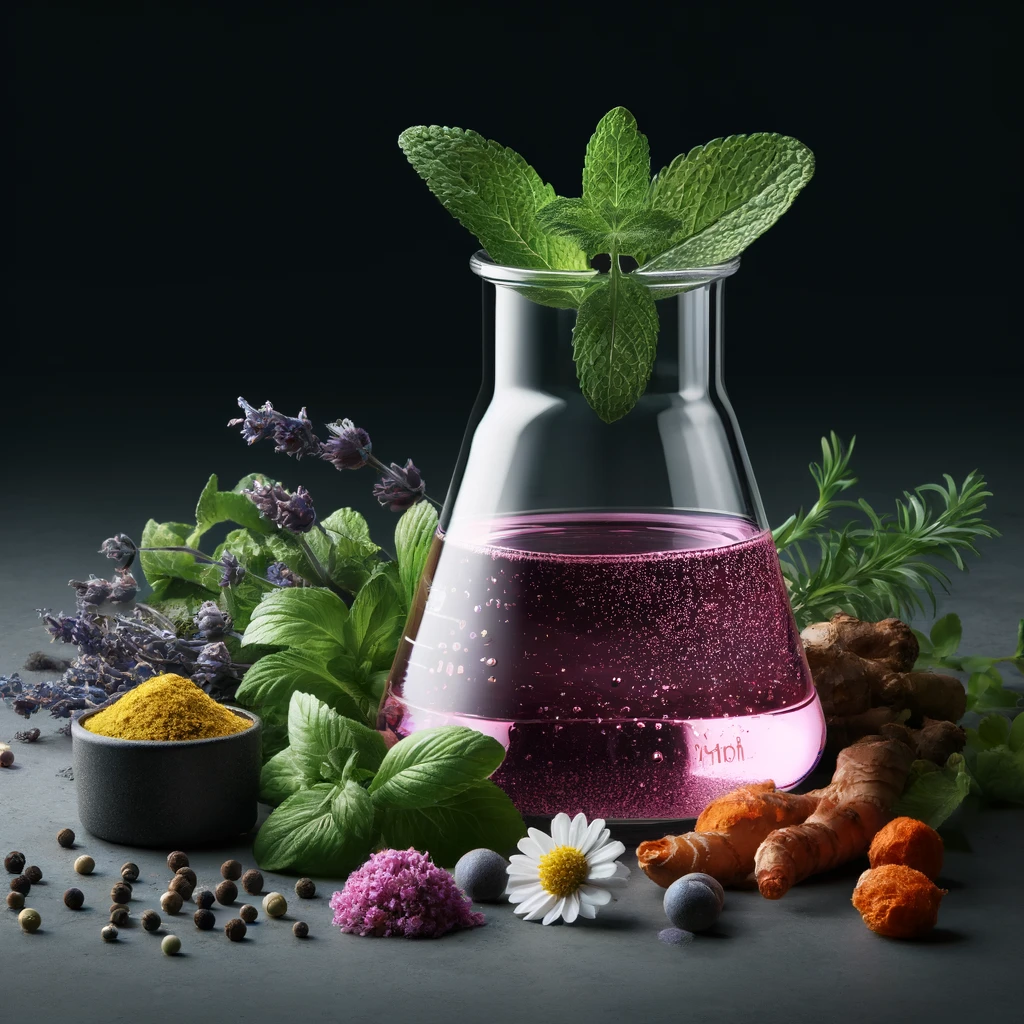
Cold-Extracted Botanical Ingredients, by contrast, utilize controlled ambient or sub-ambient extraction techniques designed to extract active constituents without subjecting delicate phytocompounds to thermal degradation. At Bio-Botanica®, our proprietary Bio-Chelated® cold-extraction process operates at precise low temperatures, safeguarding the natural molecular weight distribution and full-spectrum synergistic profile of the original biomass—a state we define as the plant's Holistic Balance®.
1. Preservation of Thermolabile Active Phytocompounds
Plant secondary metabolites—including volatile essential oils, delicate polyphenols, bioactive glycosides, enzymatic proteins, and thermolabile flavonoids—are highly susceptible to heat-induced denaturing. Thermal processing triggers unwanted chemical reactions such as:
- Thermal Oxidation: Polyphenolic antioxidants undergo rapid degradation into inactive quinones when exposed to heat and oxygen.
- Volatilization of Terpenes: Low-boiling-point monoterpenes and sesquiterpenes (responsible for therapeutic aromas and anti-inflammatory activity) evaporate during thermal reflux.
- Maillard & Caramelization Reactions: High heat causes non-enzymatic browning between plant sugars and amino acids, altering taste, color, and active molecule clarity.
- Glycosidic Cleavage: Heat breaks sensitive ether linkages in complex saponins and flavonoids, stripping away sugar moieties required for cellular receptor recognition.
By enforcing cold-process extraction, Bio-Botanica ensures that thermolabile molecules retain their natural stereochemistry, yielding ingredients with superior biological potency and organoleptic fidelity.
2. Analytical Comparison: Cold Extraction vs. Thermal Reflux
To assist procurement directors and analytical chemists in assessing raw material quality, the following matrix contrasts key performance indicators across cold vs. traditional thermal extraction techniques:
| Quality & Analytical Metric |
Bio-Botanica® Cold-Extracted Ingredients |
Standard Hot Thermal Reflux Extracts |
Impact on Finished Product Formulation |
| Thermal Exposure Temp |
Ambient to Low Temperature (< 38°C / 100°F) |
Elevated Thermal (75°C – 105°C+) |
Prevents protein denaturing and phytocompound breakdown. |
| Terpene & Volatiles Retention |
> 92% Preserved (HPLC/GC-MS verified) |
Significant Loss (< 25% Retained) |
Maintains full organoleptic and aromatherapy functionality. |
| Polyphenol & Flavonoid Integrity |
Fully intact stereochemistry & glycosides |
Partial thermal hydrolysis into aglycones |
Ensures superior cellular bioavailability & antioxidant potency. |
| Holistic Balance® (Full Spectrum) |
Matches natural botanical ratio fingerprint |
Distorted fingerprint with thermal artifacts |
Delivers full entourage effect for elevated consumer efficacy. |
| Solvent Residue & Purity |
Zero residual harmful solvents; clean menstruum |
Risk of harsh solvent residue concentration |
Meets USP/EP strict safety guidelines for clean-label products. |
| Finished Solution Clarity & Stability |
High clarity, reduced precipitation risk |
Frequent haze formation & thermal sediment |
Simplifies liquid supplement & clear cosmetic formulations. |
As evidenced by High-Performance Liquid Chromatography (HPLC) fingerprinting and Gas Chromatography-Mass Spectrometry (GC-MS) analysis, cold-extracted botanical ingredients maintain structural fidelity identical to the living plant matrix. This analytical consistency is why global procurement leaders specify cold-extracted ingredients when engineering high-efficacy products.