0%

Alcohol-Free Mushroom Extracts are concentrated mushroom preparations made without ethanol as a solvent or finished ingredient. They may be produced using hot water, glycerin, or other methods, depending on the mushroom and manufacturer. The process matters: water can extract some compounds, while different methods may capture different parts of the mushroom. So “alcohol-free” describes one feature, not a guarantee of strength, purity, or effectiveness. The label alone is not enough.

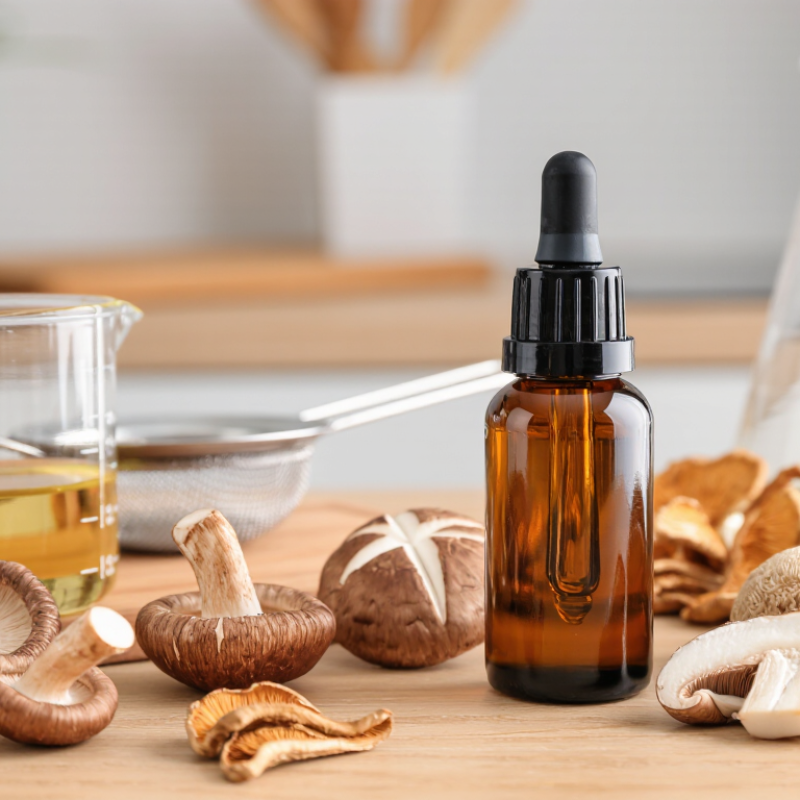
Industry interest is growing. Grand View Research’s 2024 functional mushroom market analysis estimated the global market at about US$31.7 billion in 2023 and projected further growth through 2030. This is a commercial market estimate, not proof that any extract delivers a health benefit. That distinction matters. For shoppers, useful details include the species, the part used, the extraction method, and the amount per serving. A clear certificate of analysis can also help confirm identity and screen for contaminants. Yet testing practices and label detail vary, and that deserves more attention. A bottle may look simple on a kitchen shelf, but its contents depend on sourcing and processing. In this guide, we explain what alcohol-free extracts are, how common methods differ, and which questions to ask before buying. No extract should be treated as a substitute for professional medical advice.
What Are Alcohol Free Mushroom Extracts?

What Alcohol-Free Mushroom Extracts Are

Alcohol-free mushroom extracts are concentrated preparations made without alcohol as the extraction solvent or final carrier. Producers may use hot water to draw out water-soluble compounds, then filter and concentrate the liquid. Some products use glycerin or another carrier instead. The exact method varies by mushroom and manufacturer. That detail matters.

A clear label should identify the mushroom species, the part used, and the extraction method. For example, it may state whether the material came from fruiting bodies or mycelium. These are not interchangeable descriptions. A glass dropper bottle, a mild earthy smell, or a dark color cannot prove an extract’s strength or purity. Look for batch testing that reports identity and checks for contaminants, when available. “Alcohol-free” also deserves a careful read: ask whether it refers to the finished product or the entire process, especially if avoiding alcohol is important to you. Water extraction can be useful, but it may not capture every compound found in mushrooms. I used to assume the term meant one standard recipe. It doesn’t.

What Are Alcohol-Free Mushroom Extracts?

Alcohol-free mushroom extracts are made without ethanol as an extraction solvent. The chart compares common extraction approaches by whether water and/or ethanol are used during extraction.

How to read: 1 = used; 0 = not used. This describes the extraction process, not residual alcohol in a finished product. Product formulations and processing can vary.

How Alcohol-Free Extraction Methods Work

What Are Alcohol Free Mushroom Extracts?

How Alcohol-Free Extraction Methods Work

Alcohol-free mushroom extracts use solvents such as water or vegetable glycerin instead of ethanol. The method depends on the mushroom and the compounds being sought. For a water extraction, dried mushrooms may be chopped, simmered, and strained. Heat helps move some water-soluble compounds into the liquid. The result can look like a dark tea. Not every compound dissolves equally well, though.

Glycerin can help create a sweeter, thicker liquid and may improve shelf stability. Some makers combine hot-water processing with glycerin, but methods and strengths vary. “Alcohol-free” does not automatically mean stronger, gentler, or more effective. Extraction choices affect what ends up in the bottle. Labels can be a little vague, so check the ingredient list, serving size, and stated extract ratio. These details offer useful context, but they do not prove a specific health benefit.

Tips: Store extracts as directed, and use a clean dropper. Look for clear information about the mushroom species and extraction method. If you have allergies, take medication, or are pregnant, ask a qualified health professional before use. Water-based products may need different storage from glycerin-based ones. Small details matter.

What Are Alcohol Free Mushroom Extracts? - How Alcohol-Free Extraction Methods Work

Method or topic How it works What it can extract Practical considerations
Meaning of “alcohol-free” Usually describes an extract made without ethanol as an extraction solvent. The precise meaning can depend on the product and applicable labeling rules. It describes the process or finished product, not a particular mushroom compound. Check the ingredient list and, when relevant, ask for testing details. “Alcohol-free” does not by itself establish a specific residual-ethanol level.
Hot-water extraction Chopped or milled mushroom material is heated in water; the liquid is then separated from the solids and may be concentrated or dried. Water-soluble constituents, including many polysaccharides such as beta-glucans. Temperature, time, particle size, and filtration affect the resulting extract. A water extract may not capture compounds that dissolve better in ethanol or other solvents.
Cold-water extraction Mushroom material is soaked or mixed with water without a prolonged heating step, then the liquid is separated. Some water-soluble constituents; the compounds and yield depend on the mushroom and processing conditions. It is not automatically more effective than hot-water extraction. It may extract some constituents less efficiently, and the process needs suitable food-safety controls.
Enzyme-assisted aqueous extraction Water is used with selected enzymes to help break down parts of the mushroom’s cell-wall matrix before the liquid is separated. May improve release of some water-soluble material; the result depends on enzyme choice, process conditions, and raw material. This is a processing approach, not a guarantee of higher potency or better health effects. Enzyme use and processing details should be disclosed where applicable.
Water–glycerin extraction Water and glycerin are used as the liquid medium or as part of a liquid formulation. Glycerin is a polyol, not ethanol. The profile depends on the water-to-glycerin ratio and the specific process; water-soluble constituents are generally associated with the aqueous portion. Glycerin can affect taste, texture, and the finished liquid’s properties. “No ethanol used” and “contains no ingredient chemically classified as an alcohol” are not the same claim.
Dual extraction compared with water-only extraction A common dual-extraction process uses water and ethanol in separate or combined stages to obtain a broader range of soluble constituents. Water and ethanol can extract different classes of compounds, depending on the mushroom and the conditions. A water-only extract is not chemically identical to an ethanol-based or dual extract. The best method depends on the intended composition, not just the extraction label.
Testing and product information Manufacturers can document the mushroom species, part used, extraction solvent, process, and analytical tests for the finished material. Tests may measure selected constituents or contaminants; no single test describes every component of an extract. Look for clear species identification, ingredient and solvent information, and relevant test results. A stated extraction ratio alone does not establish composition or efficacy.

Note: Extraction method and composition vary by mushroom species and manufacturing process. This table describes general processing principles and does not make medical or efficacy claims.

Common Mushrooms Used in These Extracts

Alcohol-free mushroom extracts are commonly made with hot water, which draws out water-soluble compounds such as beta-glucans. The mushroom itself matters. Reishi is often chosen for polysaccharide-rich extracts, while lion’s mane is used in products focused on its distinctive fungal compounds. Turkey tail and shiitake are also common, partly because they are familiar edible species. The labels can be confusing.

FAOSTAT’s 2022 crop-production data records roughly 12 million tonnes of mushrooms and truffles worldwide. That figure reflects food production, not extract sales, but it shows the scale of the mushroom supply chain. Cordyceps is another frequent extract ingredient, though species and growing methods vary. Water extraction has limits: some compounds, including certain reishi triterpenes, dissolve better in alcohol than water. So “alcohol-free” does not mean every mushroom compound is present. Check whether the label identifies the species, mushroom part, and extraction method. A plain powder is not necessarily equivalent to an extract. And the evidence for specific health effects remains uneven; traditional use is not proof of clinical benefit.

Key Compounds and Potential Uses

What Are Alcohol Free Mushroom Extracts?

Key Compounds and Potential Uses

Alcohol-free mushroom extracts are made without ethanol, often using hot water or glycerin-based methods. The extraction process matters because different compounds dissolve under different conditions. Hot water can draw out beta-glucans and other water-soluble polysaccharides, while some species contain triterpenes that may be less readily extracted this way. “Alcohol-free” describes the solvent, not the extract’s strength or quality.

These compounds are studied for possible roles in immune function and general wellness, but research varies by mushroom, preparation, and dose. Beta-glucans, for example, are complex fibers found in mushrooms such as reishi, turkey tail, and lion’s mane. They are not interchangeable. A clear label should identify the species, extraction method, and amount of extract per serving. Look for testing information, too.

Details matter. A cloudy drop in water, a mild earthy smell, or a thicker glycerin texture can reflect the formulation, but none proves potency. Human evidence for many proposed benefits remains limited, and extracts should not be treated as substitutes for medical care. That distinction can get lost. Even a carefully made product may contain different levels of active compounds from batch to batch.

Safety, Quality, and Label Considerations

What Are Alcohol Free Mushroom Extracts?

Safety, Quality, and Label Considerations

Alcohol-free mushroom extracts are made without alcohol as the extraction solvent. Common methods use hot water or glycerin, but the process can affect which compounds are extracted. “Alcohol-free” does not explain everything. Check the ingredient list and ask the maker how the extract is prepared if the method is unclear. A clear label should identify the mushroom species, serving size, and whether it uses fruiting bodies, mycelium, or both. These details matter because products can differ substantially.

Quality takes more than a polished bottle. Look for batch-specific testing information covering identity and potential contaminants, such as heavy metals and microbes. A certificate of analysis can help, though it should match the product’s lot number and come from a qualified laboratory. Be cautious with vague claims, undisclosed blends, or labels that list no measurable serving. Alcohol-free products are not automatically safer for everyone. People with mushroom allergies, ongoing health conditions, or prescription medicines should seek advice from a qualified healthcare professional. Evidence for many wellness claims remains limited. That is worth remembering.

FAQS

What are alcohol-free mushroom extracts?

They are concentrated preparations made without alcohol as the extraction solvent or final carrier. Water or vegetable glycerin may be used.

How is a water-based extract made?

Dried mushrooms may be chopped, simmered, and strained. The liquid is then filtered and concentrated. It can resemble dark tea.

Does alcohol-free mean every step avoids alcohol?

Not necessarily. Check whether the label describes the finished product or the full process, especially if avoiding alcohol is important to you.

What should a clear product label tell me?

Look for the mushroom species, part used, extraction method, ingredients, and serving size. An extract ratio can add context, but it does not prove a health benefit.

Are fruiting bodies and mycelium interchangeable?

No. They describe different mushroom materials, so check which one the extract contains. I once assumed they meant the same thing. They don’t.

Can color or smell show an extract’s strength?

No. A dark color, earthy smell, or glass dropper cannot confirm strength or purity. Batch testing may report identity and contaminant checks.

How should I store an alcohol-free extract?

Follow the product’s storage directions and use a clean dropper. Water-based and glycerin-based products may need different storage.

Who should ask a health professional before use?

Ask a qualified health professional if you have allergies, take medication, or are pregnant. Small details matter.

Conclusion

Alcohol-Free Mushroom Extracts are concentrated preparations made from mushrooms without using alcohol as the extraction solvent. Instead, producers may use hot water, glycerin, or other suitable methods to draw out selected compounds. The process can affect which components are present and how the finished extract is used, so the extraction method and product form are important details.

Common mushrooms used in these extracts include reishi, lion’s mane, chaga, and turkey tail. They contain a range of naturally occurring compounds, such as polysaccharides and other mushroom constituents, that are being studied for their potential roles in general wellness. Extracts can vary in strength and composition, and they should not be treated as substitutes for medical care. When evaluating a product, review its ingredient list, extraction details, serving information, and quality testing, and consider personal sensitivities or health needs.

Ethan

Ethan

Ethan is a seasoned marketing professional with extensive expertise in the industry. His passion for innovation and commitment to excellence drives him to create engaging and informative content for our company’s professional blog. With a deep understanding of our core business, Ethan takes pride......