Botanical Insights & Industry News
Explore scientific advances, technical guides, and quality innovations in botanical extract manufacturing from Bio-Botanica experts.
Advanced Botanical Extraction & Quality Science
In-depth analysis of cold-extraction methods, bioactive preservation, and global standard compliance.
Nutraceutical & Cosmetic Ingredient Trends
Stay ahead with market perspectives on natural supplements, functional beverages, and organic personal care formulations.
Top 10 Personal Care Botanical Ingredients for Buyers?
Personal Care Botanical Ingredients are moving from a marketing story to a sourcing and formulation decision. Buyers now compare more than plant names: they examine the species, plant part, extraction method, traceability, and evidence behind each supplier’s claims. A green label can catch the eye. A clear specification earns trust.
Grand View Research estimated the global natural and organic personal care market at US$21.6 billion in 2023, with projected growth through 2030. That figure covers finished products, not botanical ingredients alone, so it should be read as market context—not a direct measure of ingredient demand. Still, it signals why buyers are asking sharper questions about supply, consistency, and substantiation. The report’s broader lesson is useful: interest is real, but category labels can blur important differences.
Cosmetic chemist Perry Romanowski has often stressed a practical caution: “Natural does not automatically mean safer or more effective.” Buyers should treat that as a formulation principle, not a reason to dismiss plant-derived materials. A chamomile extract, for example, can vary with its source and processing. The name on the drum is only the beginning.
This guide highlights ten widely used botanical ingredients and the buyer checks that matter: function, documentation, formulation fit, and supply reliability. Some evidence is stronger than others. That deserves a closer look. No ingredient earns its place through trend alone.
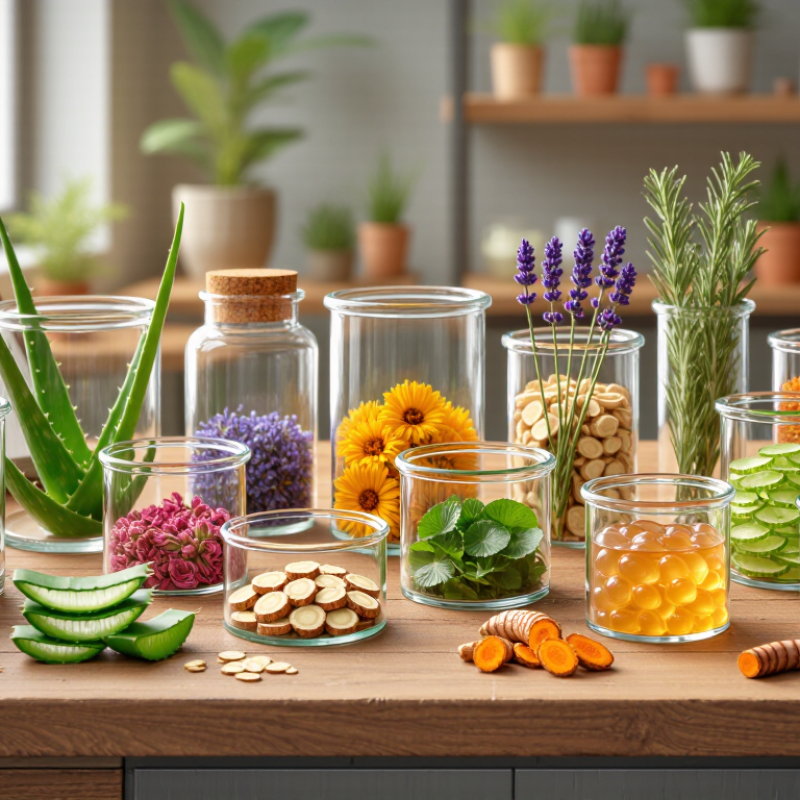
What Are Botanical Ingredients in Personal Care?
In personal care, botanical ingredients are materials derived from plants, including oils, extracts, hydrosols, and powders. They may add scent, color, skin feel, or a specific function to a formula. The plant species and part used matter: a flower extract and a seed oil are not interchangeable. Extraction and processing also affect an ingredient’s composition and performance.
“Natural” is not a quality grade. Harvest, drying, and storage can change a botanical’s properties. It varies. Plant-derived materials may also irritate some users, so their origin alone does not establish suitability. Buyers should check the botanical identity, plant part, extraction solvent or carrier, and batch specifications. Request relevant safety and stability information for the intended use. A polished origin story can distract from a weak specification.
Tips: Test a representative batch in the actual formula. Check its odor, color, solubility, and changes after heat or light exposure. Ask about allergen and contaminant controls. Keep product claims aligned with available evidence. Small checks matter.
Top 10 Personal Care Botanical Ingredients for Buyers
Botanical ingredients are plant-derived materials—such as oils, extracts, juices, and distillates—used in personal care formulations.
The percentages are illustrative example use levels, not industry averages or universal recommendations. Suitable levels depend on the ingredient’s form, supplier guidance, formulation, and safety assessment.
How Buyers Evaluate Botanical Ingredients
Buyers evaluating botanical ingredients should look beyond a plant name and a compelling origin story. Grand View Research estimated the global botanical extracts market at about USD 6.97 billion in 2023, reflecting strong commercial interest. Growth does not guarantee consistency. Ask for the Latin species name, plant part, extraction solvent, and a clear specification for each batch. A rosemary leaf extract and a rosemary oil are not interchangeable.
Useful evidence includes a certificate of analysis, contaminant testing, and data on marker compounds. Check whether the supplier can trace the harvest location and explain how season or processing may affect composition. ISO 16128 can help describe natural-origin content, but it does not establish an ingredient’s safety or efficacy. Numbers matter. Context matters more. A polished certificate cannot replace a review of the actual test methods and limits.
Tips
Request recent, batch-specific documents, not only a sample sheet. Compare pesticide, heavy-metal, and microbiological limits with your product requirements. Ask how the supplier controls variation between harvests. Then test the ingredient in your own formula; color, odor, and stability can shift after blending. Buyers may still face gaps in public data, so record what remains uncertain instead of treating “natural” as proof.
Ten Key Botanicals and Their Personal Care Uses
Aloe vera gel is used in lightweight moisturizers and after-sun products for its cooling feel. Calendula extract appears in creams for dry-feeling skin, though its performance depends on the extract and formula. Chamomile can add a soothing position to cleansers and lotions, but sensitive users may still react. Green tea extract is valued in antioxidant-focused serums; buyers should check how its active components are specified. Colloidal oat suits bath products and barrier-support creams, lending a soft, cushioning feel. Small details matter.
Rosemary extract can serve as an antioxidant in hair and skin formulas, and sometimes helps protect oils from oxidation. Lavender oil brings a recognizable scent to body care, but fragrance sensitivity deserves attention. Licorice root extract is used in products designed to improve the appearance of uneven tone; results vary, and claims should stay cosmetic. Turmeric extract adds color and a botanical story to masks, though staining and formula color stability need testing. Jojoba oil works well in facial oils and conditioners because it spreads smoothly without a heavy finish. Buyers should request botanical identity, plant part, extraction method, and batch documentation. Then test odor, color, and stability in the finished formula. Patch testing still matters. One overlooked issue: a popular ingredient can perform poorly in the wrong base.
How Botanical Ingredients Fit into Formulations
Botanical ingredients work best when chosen for a clear formulation role, not just a “natural” story. A water-based extract may suit a gel, while an oil-soluble plant component can fit a balm. Check its carrier, recommended use level, pH range, and compatibility with the other ingredients. A vivid green extract can fade; a fragrant one can overwhelm a quiet formula. Small details matter.
Cosmetics Europe’s 2024 market report recorded €96 billion in European cosmetics and personal care retail sales for 2023. That figure covers the whole category, not botanical ingredients alone, but it shows the scale of products these materials must perform in. For buyers, request the botanical name, plant part, extraction solvent, batch specification, and current safety documentation. Review microbial limits, contaminants, and any relevant allergen information. ISO 16128 can help describe natural-origin content; it does not establish an ingredient’s safety or effectiveness. Then test the actual formula for color, odor, texture, and stability. A sample can smell pleasantly herbal on day one and feel too strong later. That trade-off is easy to miss, and sometimes the best choice is the less dramatic extract.
Sourcing, Quality, and Compliance Considerations for Buyers
Personal care buyers may consider aloe vera, calendula, chamomile, green tea, rosemary, lavender, jojoba, oat, licorice root, and centella. The best fit depends on the product format, intended use, and supplier evidence. A water-based extract behaves differently from a pressed oil. Ask for the botanical name, plant part, extraction method, and carrier details.
Sourcing checks should cover origin, harvest season, traceability, and batch consistency. Review a current specification and certificate of analysis, then confirm identity and relevant tests for microbes, heavy metals, pesticides, or residual solvents. Requirements vary by ingredient and market, so buyers should check applicable rules with qualified compliance staff. Claims need care, too. “Natural” does not establish safety or prove a skin benefit. A spreadsheet can look complete while leaving gaps in the actual batch record. That is easy to miss.
Tips: Request a recent sample from the same production lot you may purchase. Check its color, odor, and solubility against the specification. Record acceptance limits before testing, and retain a sealed sample for comparison. Ask what changes between harvests. The answer may reveal more than a polished brochure.
FAQS
Aloe vera can add a cooling feel to moisturizers. Oat can give bath products a soft, cushioning feel. Small details matter.
A water-based extract behaves differently from a pressed oil. Jojoba oil spreads smoothly in facial oils and conditioners, without a heavy finish.
Green tea is used in antioxidant-focused serums. Rosemary extract can act as an antioxidant and help protect oils from oxidation. Results depend on the formula.
Yes. Lavender oil has a noticeable scent, and chamomile may still bother some users. Patch testing is sensible, though it cannot predict every reaction.
Ask for the botanical name, plant part, extraction method, and carrier details. Request traceability and batch documentation, too.
Review a current specification and certificate of analysis. Check relevant identity, microbial, heavy metal, pesticide, or residual-solvent results. Not every test applies to every ingredient.
Request a recent sample from the production lot under consideration. Compare its color, odor, and solubility with the specification. Keep a sealed sample for later comparison.
Harvest seasons can affect consistency. Ask what changes between harvests; a polished brochure may not explain the batch. A spreadsheet can still hide a missing record.
No. “Natural” alone proves neither safety nor a skin benefit. Keep product claims cosmetic, and ask qualified compliance staff about applicable market requirements.
Conclusion
Personal Care Botanical Ingredients are plant-derived materials used to support the sensory qualities and functional goals of skincare, haircare, and other personal care products. For buyers, choosing them involves more than comparing ingredient names: they should consider intended use, formulation compatibility, consistency, available documentation, and the quality of the supporting evidence. Common options such as aloe, chamomile, calendula, green tea, and rosemary may serve different purposes, from soothing or conditioning to providing antioxidant support, depending on the ingredient and finished formula.
This overview introduces ten key botanicals and their typical personal care applications, then explains how they can be incorporated into formulations. Buyers should also assess sourcing practices, botanical identity, processing methods, batch-to-batch consistency, stability, and supplier quality controls. Clear specifications and appropriate safety and compliance documentation help teams make informed choices and develop products that are reliable, suitable for their intended use, and aligned with relevant market requirements.

Blog Tags: